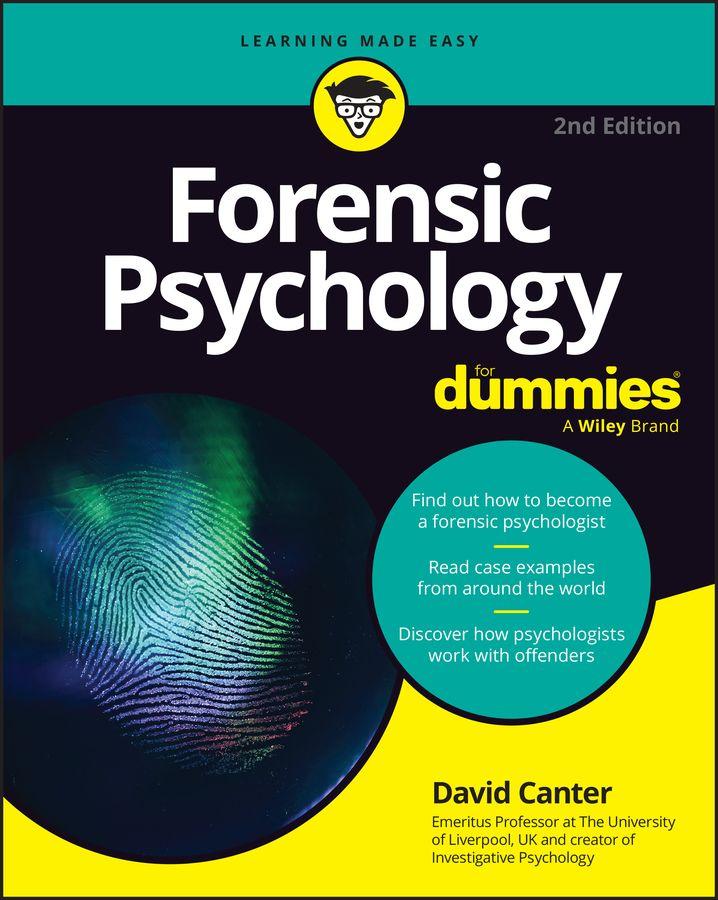
A clear introduction to the psychology of crime Forensic Psychology For Dummies uncovers how forensic psychologists help law enforcement crack major crime cases. This book walks you through the ins-and-outs of this field. It explains why people commit crime, how psychologists assist investigators by profiling offenders and creating interrogation strategies, as well as how some forensic psychiatrists work to treat and rehabilitate the convicted, the imprisoned, and those on supervised release. Inside:
- Understand what forensic psychology is and isn't
- See how forensic psychologists differ from their fictional counterparts in the media
- Discover real-life case examples from around the world, showcasing the work of forensic psychologists-including in court
- Explore education and career paths taken by established forensic psychologists
Perfect for people interested in the intersection of clinical psychology and the criminal justice system, Forensic Psychology For Dummies is a must-read for aspiring psychologists, forensics and criminology students, law enforcement professionals, and true crime fans.
Inhaltsverzeichnis
Foreword xvii Introduction 1
Part 1: Keeping Up with Forensic Psychology 9
CHAPTER 1: What Is Forensic Psychology? 11
CHAPTER 2: Psychology and the Criminal Process 31
CHAPTER 3: Forensic Psychology and the Law 43
Part 2: Examining the Criminal Mind 61
CHAPTER 4: Why Do People Become Criminals? 63
CHAPTER 5: Measuring, Testing, and Assessing the Psychology of Offenders 85
CHAPTER 6: Diagnosing Evil: How (or whether) Criminals Think 103
Part 3: Assisting Law Enforcement 119
CHAPTER 7: How to Ask Questions of Witnesses, Victims, and Suspects 121
CHAPTER 8: Exposing Liars and Detecting Deception 143
CHAPTER 9: Beyond Offender Profiling 167
CHAPTER 10: Victims of Crime and Their Experiences 191
CHAPTER 11: Preventing Crime: Problems, Processes, and Perseverance 213
Part 4: Psychology in Court and Beyond 233
CHAPTER 12: Giving Guidance in Legal Proceedings 235
CHAPTER 13: Psychological Aspects of Court Procedures 259
Part 5: Helping and Treating Offenders 279
CHAPTER 14: Can Offenders Be Rehabilitated? 281
CHAPTER 15: Dealing with Violence 301
CHAPTER 16: Treating Sexual Offenders 317
CHAPTER 17: Working with Juvenile Offenders 333
Part 6: The Part of Tens 349
CHAPTER 18: Ten Professional Requirements for Forensic Psychologists 351
CHAPTER 19: Ten Stages in Becoming a Professional Forensic Psychologist 361
CHAPTER 20: Ten Cases in Which Forensic Psychology Proved Crucial 371
Index 383