Bücher versandkostenfrei*100 Tage Rückgaberecht***Abholung in über 100 Filialen
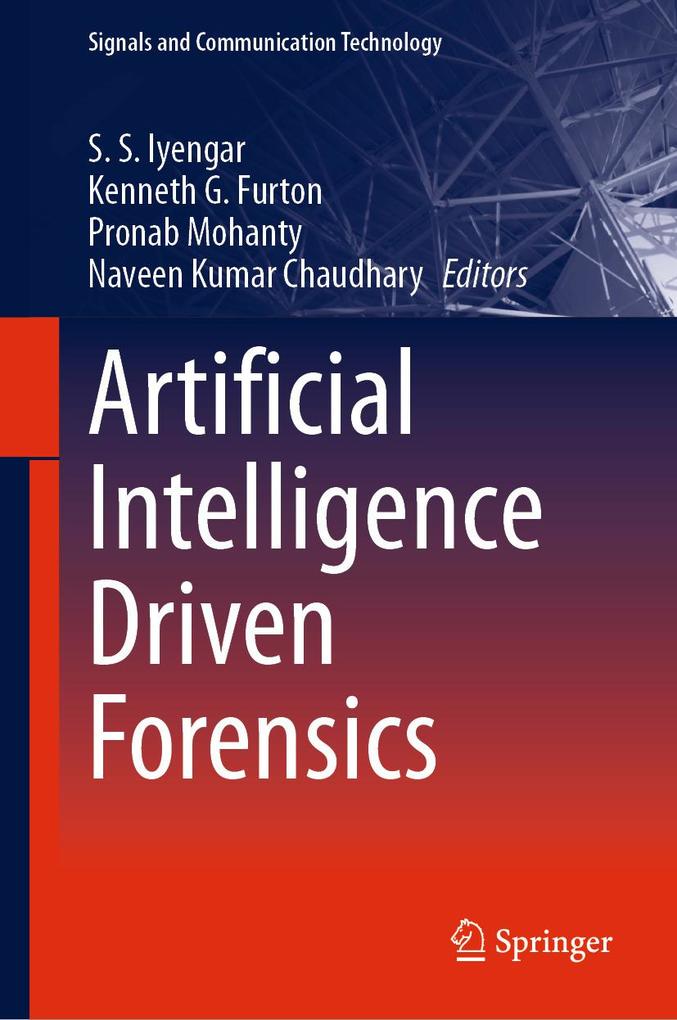
This book explores the transformative role of artificial intelligence (AI) in the field of digital forensics, offering a comprehensive overview of how AI technologies are reshaping crime investigation, cybersecurity, and evidence analysis. The book bridges traditional forensic methodologies with cutting-edge AI techniques, such as machine learning, deep learning, natural language processing, and graph analytics, to improve the accuracy, speed, and scalability of forensic investigations. Structured around real-world applications and case studies, the book covers critical areas including AI-enhanced malware detection, user behavior profiling, deep fake identification, social media profile cloning detection, canine forensics and hybrid approaches to analyzing digital artifacts. It also delves into the integration of AI with forensic tools for automating incident response, identifying anomalies in massive log files, and supporting decision-making in complex cybercrime scenarios. A key feature of the book is its interdisciplinary approach, blending insights from computer science, cybersecurity, law, and ethics. It addresses not only the technical mechanisms behind AI-driven forensics but also the legal, ethical, and societal implications, particularly regarding privacy, accountability, and the admissibility of AI-generated evidence in courts. Geared toward researchers, practitioners, students, and policymakers, Artificial Intelligence Driven Forensics serves as both a foundational text and an advanced guide to understanding the future of forensic science in the age of AI.
Inhaltsverzeichnis
Introduction. - AI applications in cybercrime investigation and digital forensics. - Canine-Assisted Forensic Investigations. - Machine learning and deep learning for forensic data analysis. - AI-driven methods for evidence collection, processing, and analysis. - Forensic investigation tools for malware, ransomware, and cyber intrusions. - Blockchain and distributed ledger technologies in forensic investigations. - Profile cloning detection and analysis using AI techniques. - AI-enabled solutions for identifying and preventing digital fraud. - Integration of AI into cyber incident response and threat detection. - Ethical considerations in AI-enabled forensic investigations. - Workforce development initiatives focused on diversity in digital forensics. - Conclusion.
Es wurden noch keine Bewertungen abgegeben. Schreiben Sie die erste Bewertung zu "Artificial Intelligence Driven Forensics" und helfen Sie damit anderen bei der Kaufentscheidung.