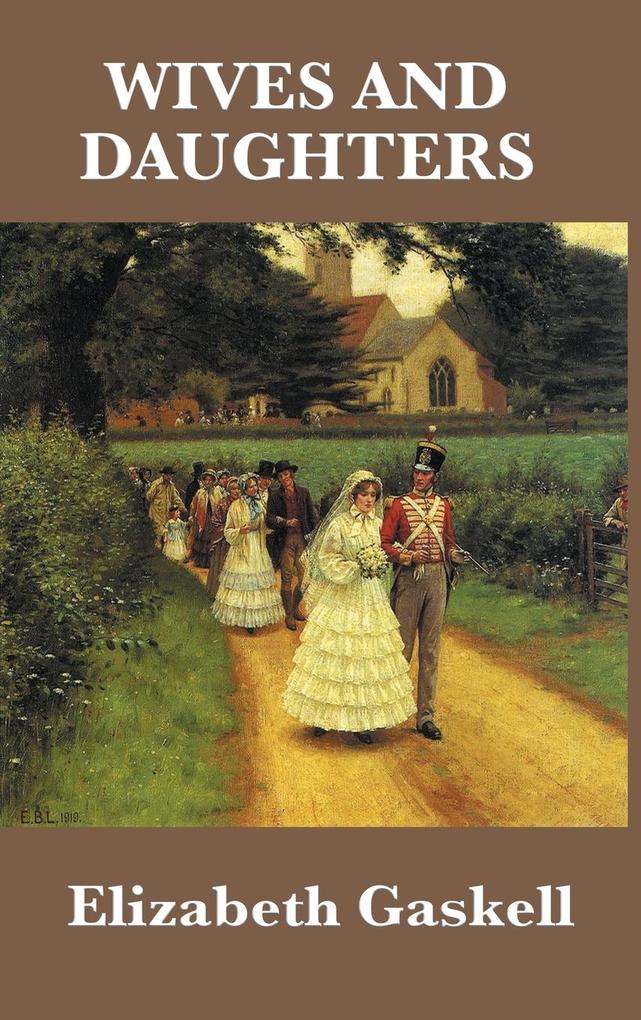
Elizabeth Gaskell's final novel is a richly observed portrait of provincial English life, exploring family relationships, social expectations, and the quiet dramas of everyday society.
Set in a small English country town during the early nineteenth century, Wives and Daughters follows the life of Molly Gibson, the thoughtful and sincere daughter of a widowed doctor. Molly's world changes when her father remarries, bringing into her life a charming but self-absorbed stepmother and a beautiful stepsister whose presence alters the delicate balance of family and friendship.
Through Molly's experiences, Elizabeth Gaskell presents a nuanced picture of social manners, courtship, class distinctions, and the subtle pressures placed upon young women within Victorian society. The novel is notable for its gentle humour, psychological insight, and sympathetic portrayal of characters whose virtues and flaws emerge gradually through the rhythms of everyday life.
Left unfinished at the author's death in 1865, Wives and Daughters nevertheless stands among Gaskell's finest achievements. Its detailed depiction of community life, moral complexity, and emotional restraint places it firmly within the great tradition of nineteenth-century English domestic fiction.