Bücher versandkostenfrei*100 Tage Rückgaberecht***Abholung in über 100 Filialen
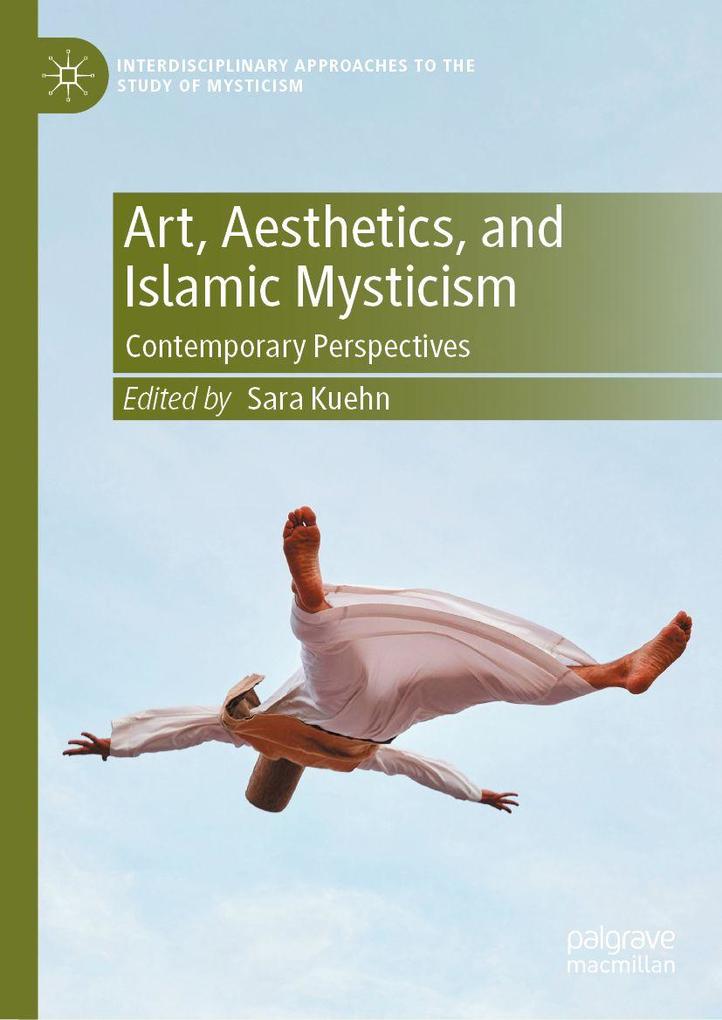
During the twentieth and twenty-first centuries, Islamic mysticism, or Sufism, spread extensively throughout Western society, with Sufi teachings permeating all spheres of society. The increasingly powerful and pervasive presence of Sufi popular religiosity and aesthetic traditions in the West has also engendered new cultural forms. Contemporary art has not only greatly expanded the traditional boundaries of aesthetic material culture; it also draws on a far more diverse range of bodily and sensory experiences. Drawing on recent methodological trends inspired by the aesthetic turn, this book explores contemporary perspectives on art, aesthetics, and Islamic mystical experience, with a focus on sensory synesthesia. The authors seek to contribute not only to the study of postcolonial and decolonial ways of thinking about Sufi performances, artworks, and visual expressions, but also to the development of a transcultural Sufi-inspired aesthetics.
Inhaltsverzeichnis
Ch 1: Introduction: Living Sufi Aesthetics. Art, Performance, and Devotion in Motion. - Part 1: Embodied and Inscribed Devotion. - Ch 2: Bodily Sensations of a Whirling Dervish Dancer: The Art of Synesthesia in the Work of Ziya Azazi and Its Veiled Aesthetics of an Islamic Mysticism. - Ch 3: A Rite of the Crane: Aesthetics and the Transformation of Ecstatic Experience Through an Alevi Ritual Form. - Ch 4: Al b. Ab lib and the Camel that Carried his Coffin. - Ch 5: The Gracious yet Disobedient Calligraphy of Yelimane Fall. - Part 2: Resonance and Remix, Continuity and Transformation. - Ch 6: `Problematic yet Insightful: The Unaddressed Issue of the Perennialists and Their Contemporaries Interpretation of Islamic Art . - Ch 7: Spiritual Journey and Its Outward Forms: Islamic Authority, Hip Hop, and Aesthetics in London s Fay a Tij niyya Sufi Community. - Ch 8: Total Surrender : Sufi Elements in Contemporary Kathak between Pakistan and India. - Part 3: Rupture, Resistance, and Decolonial Interventions. - Ch 9: Humans, Nonhumans, and the Mal matiyya. - Ch 10: Appropriating the S lik n s Journey: Sufi Aesthetics Between Politics, Art, and Popular Culture in Post-Arab Spring Egypt. - Ch 11: Discursive and Aesthetic Dimensions of Pain and Suffering: Naqshbandîs and Qâdirîs in the Kurdistan Region-Iraq.
Es wurden noch keine Bewertungen abgegeben. Schreiben Sie die erste Bewertung zu "Art, Aesthetics, and Islamic Mysticism" und helfen Sie damit anderen bei der Kaufentscheidung.