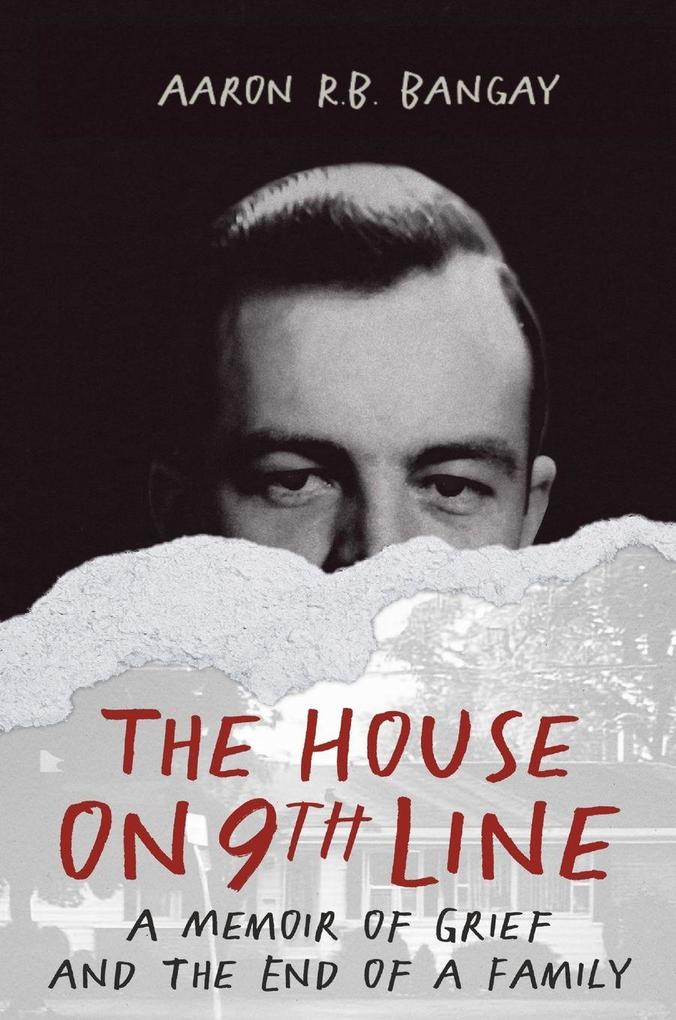
The House on 9th Line is a raw and deeply personal memoir about love, loss, and the unravelling of a family bound by tradition but broken by silence, favouritism, and emotional wounds left unhealed.
Set against the backdrop of a modest yet symbolic family home in a small town north of Toronto, Aaron Bangay takes readers on a reflective journey through generations shaped by war, trauma, addiction, and misplaced loyalty. At the heart of the story is his grandfather, Roland, a kind, steadfast man whose unconditional love held the family together until his death marked the beginning of the family's gradual disintegration.
Bangay contrasts Roland's quiet wisdom and emotional generosity with the dysfunction that emerged in his absence. Through vivid storytelling and unflinching honesty, the author explores the manipulations of an emotionally immature grandmother, the deep scars of parental favouritism, and the lasting impact of addiction and financial betrayal.
This book isn't just about the house; it's about the legacy of those who lived within its walls. Bangay examines how inherited trauma and unhealthy coping mechanisms shaped the lives of his grandparents, parents, and extended family. As the bonds of kinship frayed, rivalries intensified, and communication collapsed, leaving behind emotional wreckage and estranged relationships.
Despite the heartbreak, The House on 9th Line is also a story of healing, remembrance, and reclaiming truth. With tenderness and courage, Bangay writes to honour the memory of the man who taught him decency, compassion, and the power of being not just nice, but truly good.
For anyone who has struggled with family loyalty, experienced the pain of&a