Then the virus came, and made the world turn different, too.
Long before modern dystopian fiction imagined the collapse of civilization, Mary Shelley envisioned a world undone by plague. Best known as the author of Frankenstein, she turns here from Gothic horror to a vast and haunting meditation on the fate of humanity.
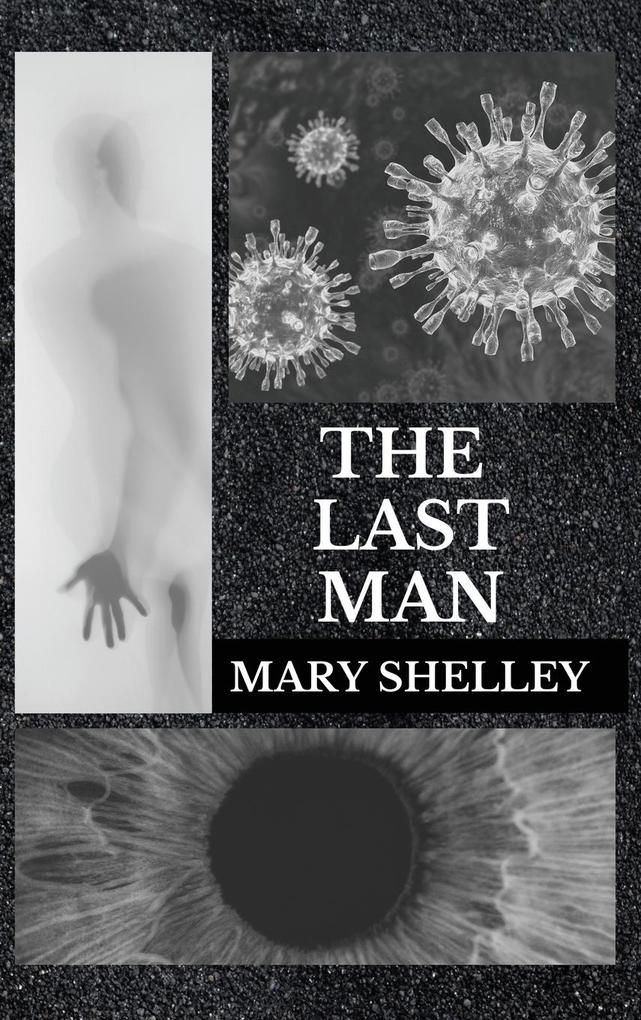
Set at the close of the twenty-first century, the novel follows Lionel Verney, who comes to believe he may be the last human being alive. A relentless pandemic spreads across continents while political turmoil, climate upheaval, and war hasten the disintegration of nations. Cities empty, societies crumble, and the great achievements of civilization begin to vanish.
Through Verney's memories, Shelley traces the slow extinction of humankind with extraordinary emotional depth. Friendship, loyalty, love, ambition, and political failure intertwine as the world gradually falls silent. The novel moves between intimate human drama and the vast spectacle of a civilization disappearing.
Both speculative and philosophical, this remarkable work anticipates many modern anxieties-pandemic disease, environmental instability, and global conflict-while reflecting on the fragile nature of progress and the enduring need for human connection.
Visionary, melancholic, and profoundly moving, The Last Man stands today as one of the earliest and most powerful apocalyptic novels in world literature, a pioneering classic of speculative fiction whose themes resonate with striking force in the modern age.